"JR was an excellent tour guide and photographer! He did a great job explaining the history of the canyon and keeping our tour fun."
Page, Arizona · Navajo Nation · Tsé bighánílíní
A Navajo-guided tour of Upper Antelope Canyon — walk the flat sandstone corridor of Tsé bighánílíní near Page, Arizona, where late-morning light beams pour through the slot. Your entry ticket, the Navajo Parks permit, and an authorized guide are all included.
The Experience
Why the most-photographed slot canyon on the Navajo Nation is worth its guided-only entry.
Four steps from booking online to walking beneath the sandstone waves of Tsé bighánílíní.
Choose your date and aim for a late-morning slot — that's when sunlight is most likely to reach the canyon floor. Instant confirmation, with free cancellation up to 24 hours before.
Meet your tour operator at their staging point near Page. They issue your Upper Antelope Canyon entry ticket and the Navajo Parks & Recreation permit that every visitor needs.
A short open-air 4x4 shuttle crosses the Navajo Nation tribal land to the mouth of Tsé bighánílíní, where your authorized Navajo guide leads the walk — entry without a guide is not permitted.
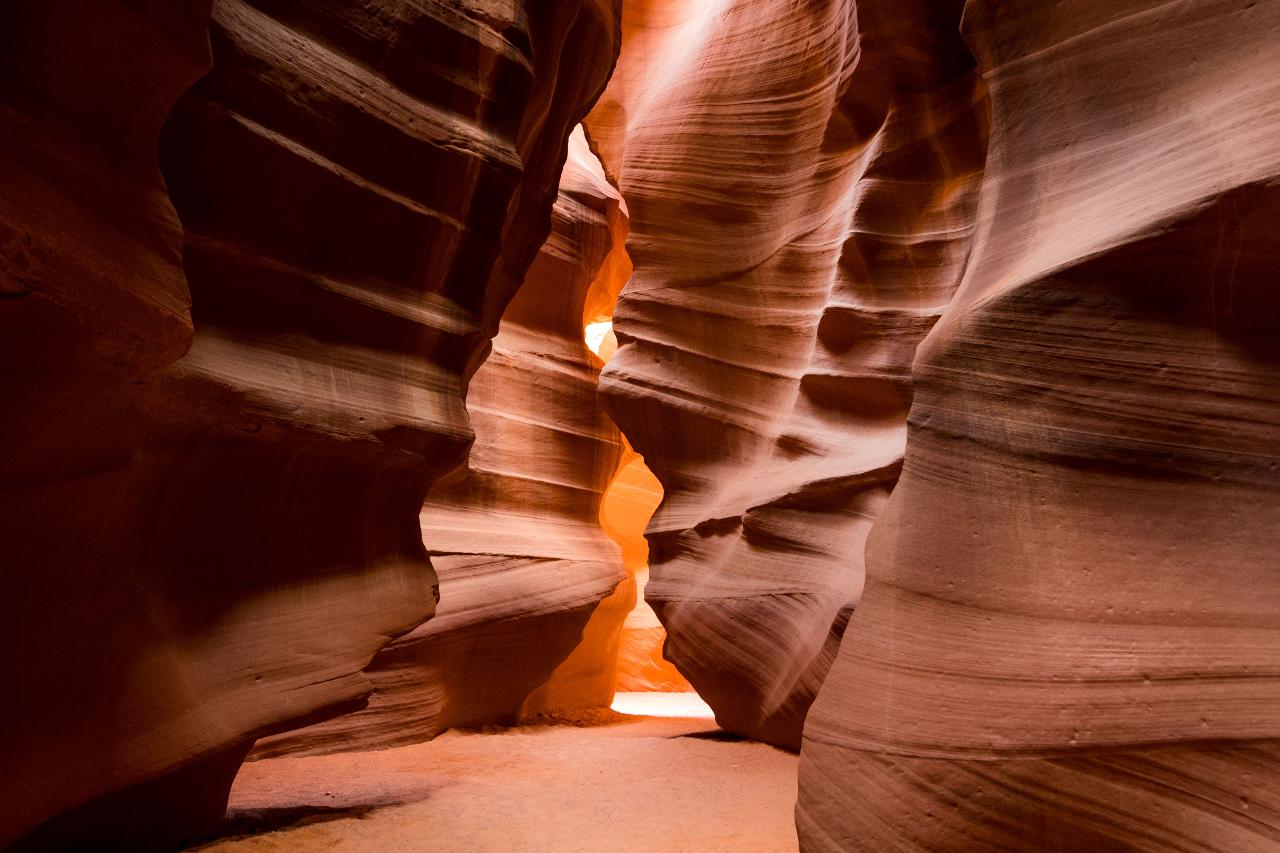
Follow the flat, sandy corridor beneath glowing, wind-and-water-sculpted sandstone while your guide points out the best photo angles, the light-beam spots, and shares Diné history.
Photo Gallery
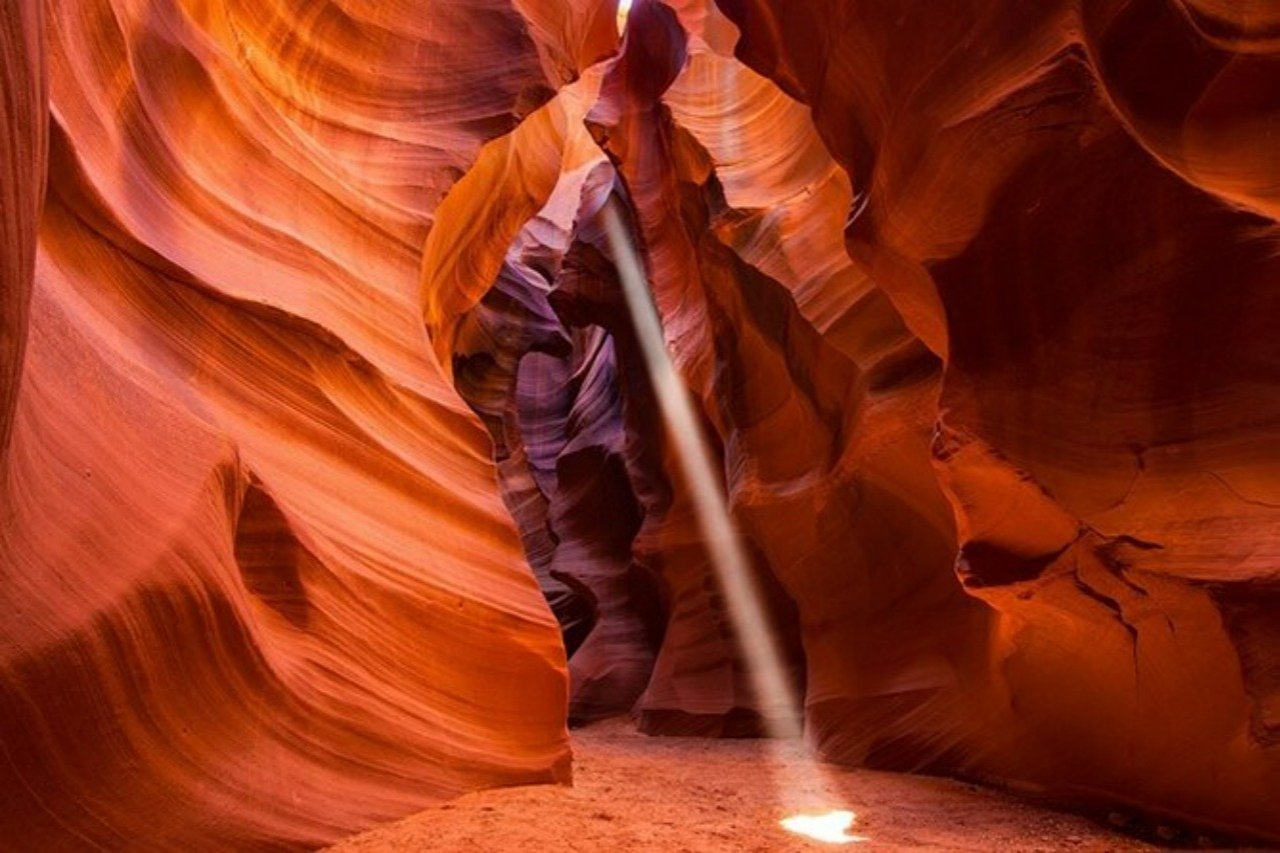
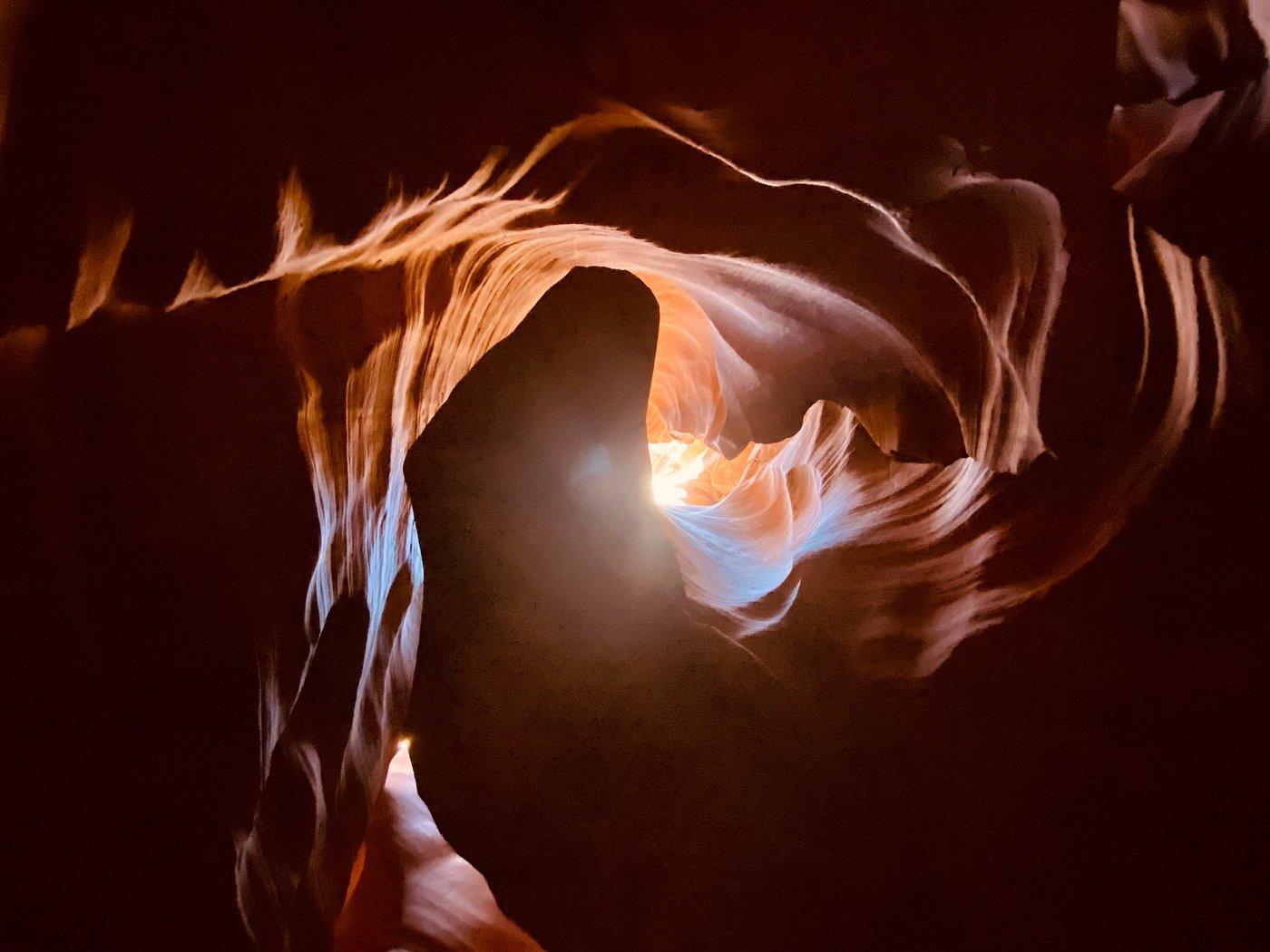
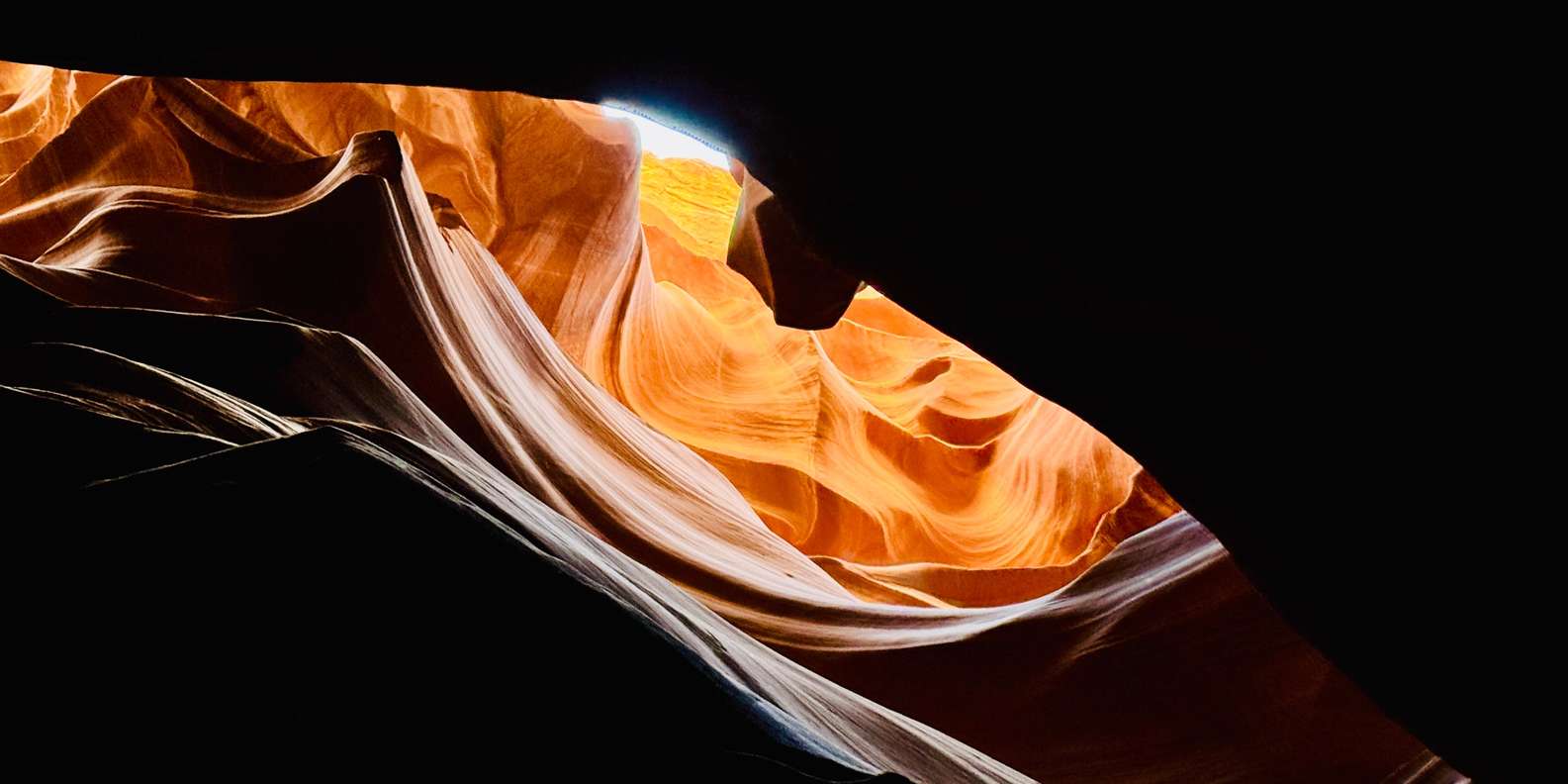
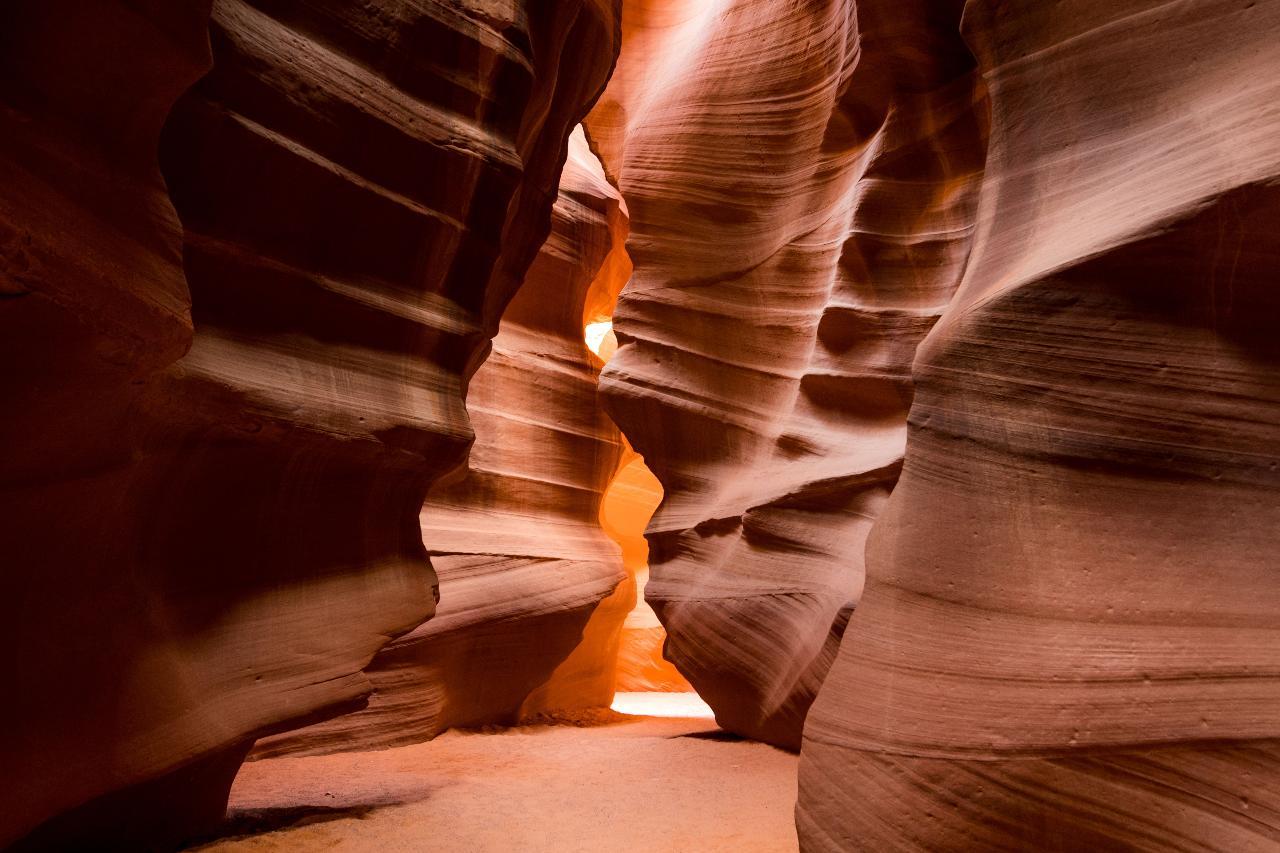
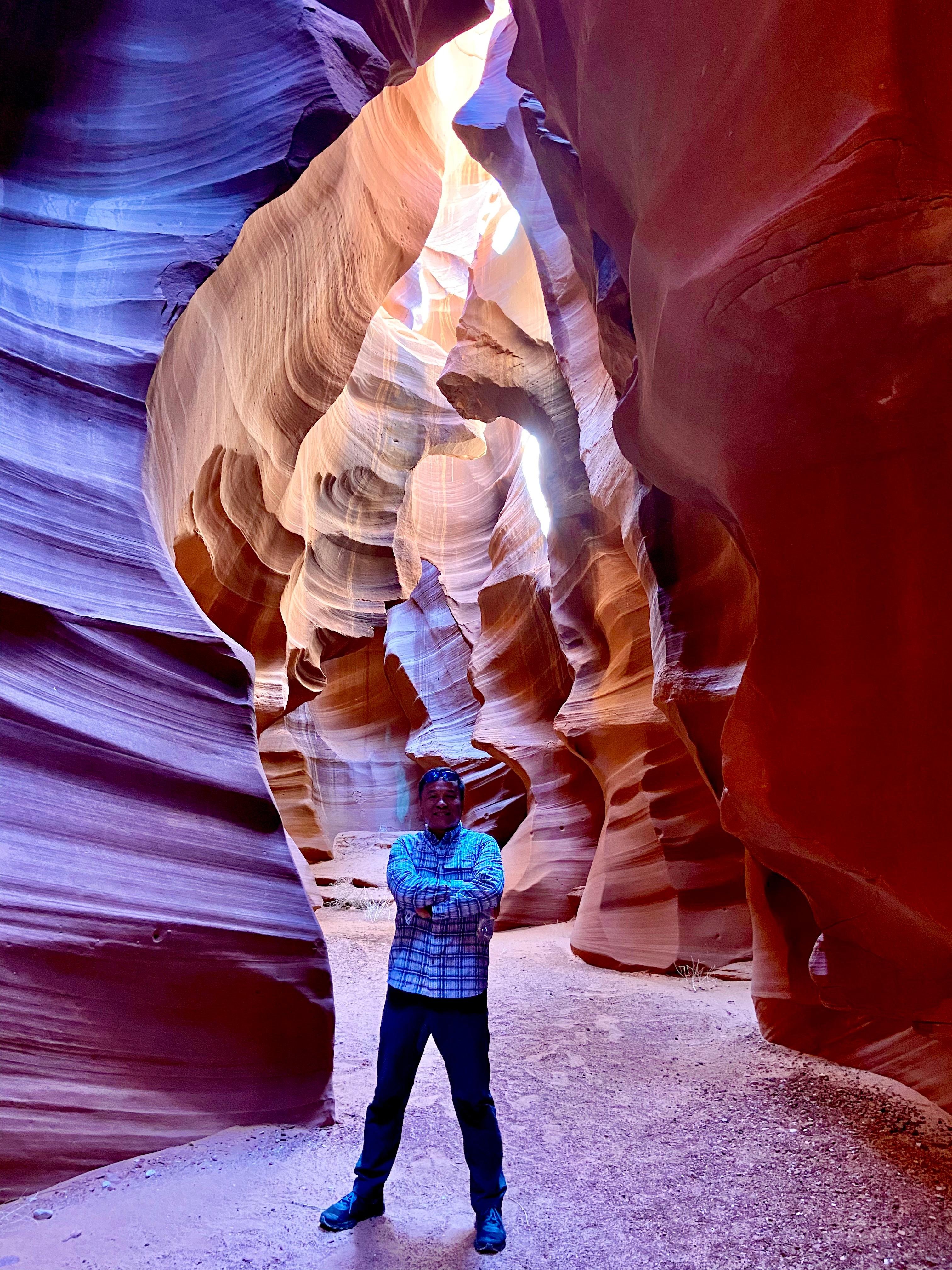
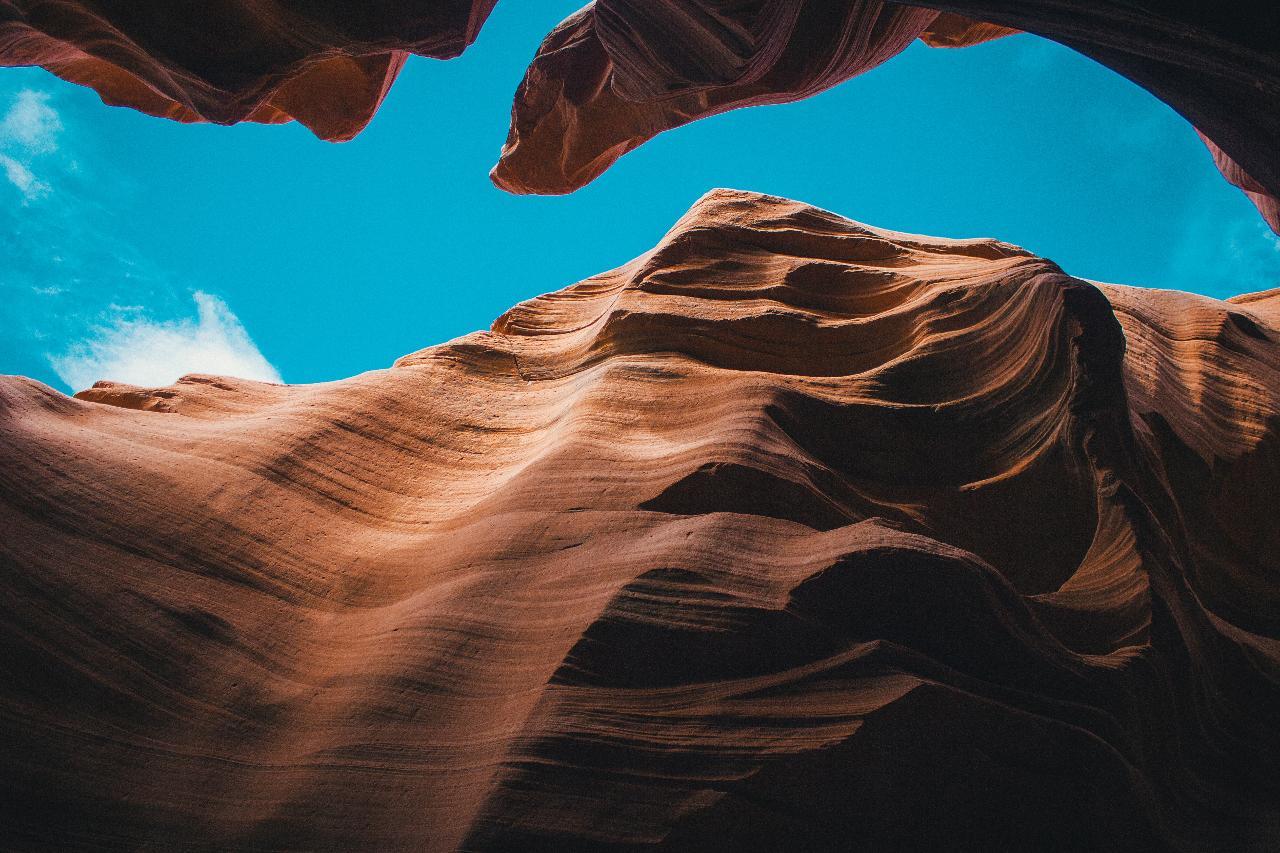
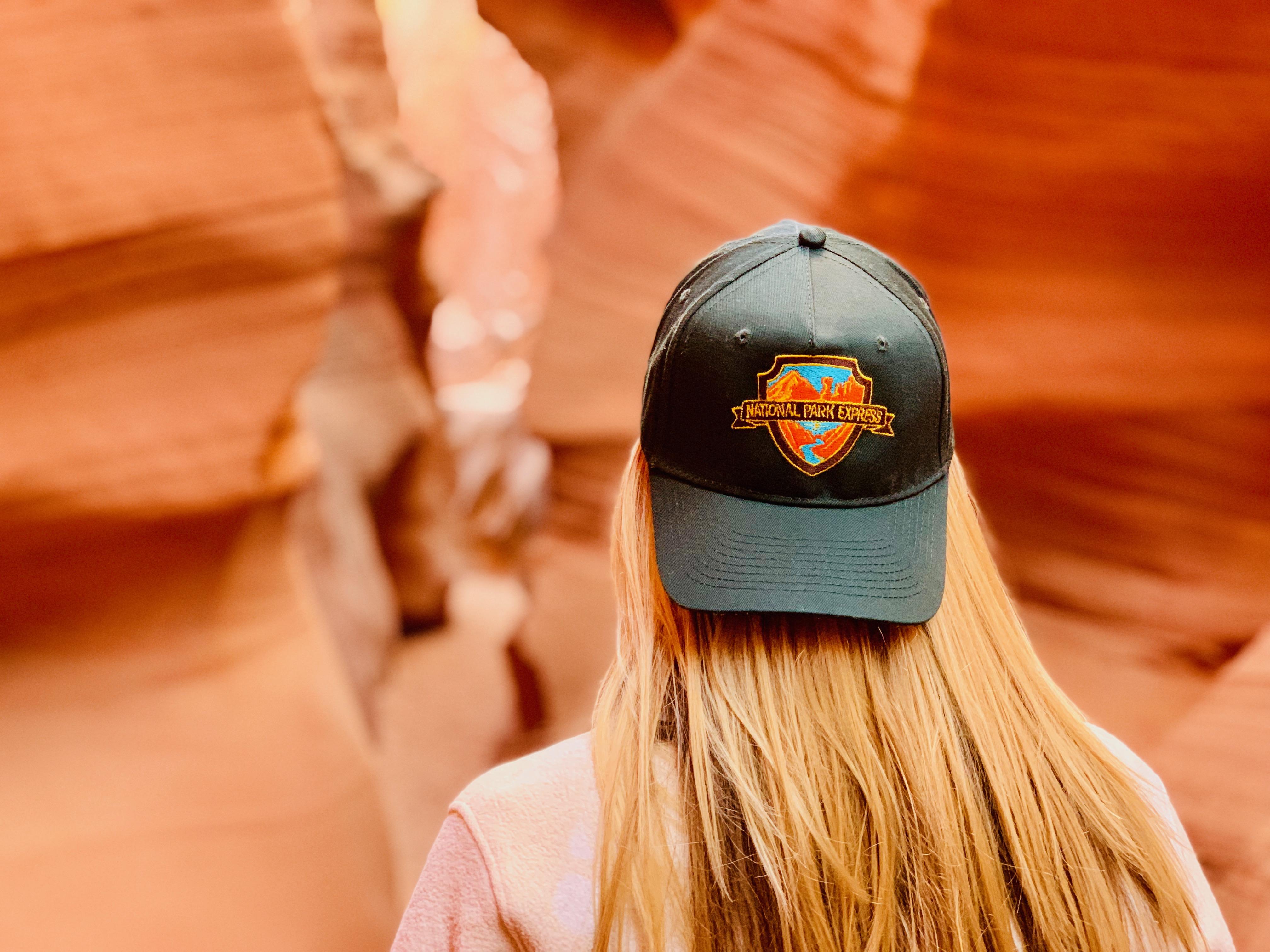
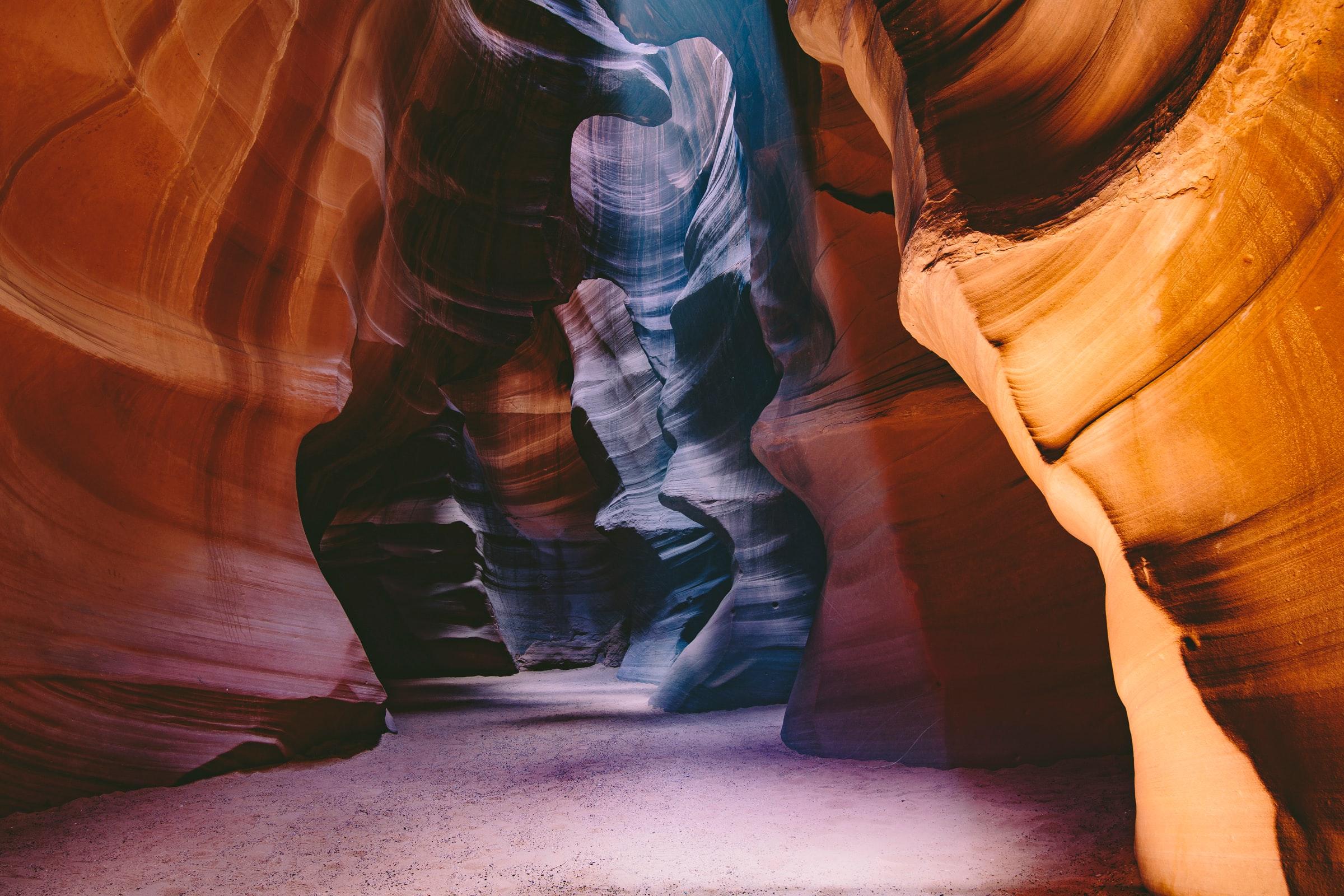
Light beams, sculpted sandstone, and the glowing corridor of Tsé bighánílíní.
Book Your Experience
Select your preferred date and time. Instant confirmation — free cancellation up to 24 hours before departure.
Three ways to see Antelope Canyon. Here's how they compare on price, effort, and what you actually get.
| Feature | MOST POPULAR Upper Antelope — Guided Entry | Upper + Lower Combo | From Las Vegas (Day Trip) |
|---|---|---|---|
| Starting Price | From $95/per person | From $368 | From $189 |
| Light Beams | Yes — the classic spot | Yes (Upper portion) | Yes — Upper Antelope |
| Walking Difficulty | Flat, sandy — no stairs | Flat + stairs (Lower) | Flat, sandy |
| Navajo Guide | Included | Included | Included |
| Navajo Permit & Ticket | Included | Included | Included |
| Time Commitment | ≈1–1.5 hrs in canyon | Half day (both canyons) | Full-day from Las Vegas |
| Best For | The iconic beams, easy walk | Seeing both canyons in a day | No car / coming from Vegas |
| Check Availability | View Combo Tour | View Day Trip |
More Canyon Tours
From prime-time light-beam slots to Upper + Lower combos and day trips out of Las Vegas — every option is Navajo-guided, with free cancellation.
Field Notes · Tsé bighánílíní
What an Upper Antelope Canyon tour actually involves — the Navajo-guided rules, the light-beam season, and how it differs from Lower Antelope Canyon.
Upper Antelope Canyon is a slot canyon on Navajo Nation land just east of Page, Arizona. In the Diné (Navajo) language it is Tsé bighánílíní — “the place where water runs through rocks” — a name that describes exactly how it was made. For millions of years, flash floods funneled abrasive, sand-laden water through a seam in the Navajo Sandstone, and wind smoothed what the water cut. The result is a narrow, curving corridor whose walls glow orange, gold, and violet as light filters down from the slit of sky overhead.
It is one of the most photographed places in the American Southwest. It is also a sacred site on sovereign tribal land — and that shapes everything about how you visit.
This is the single most important thing to understand before booking. Upper Antelope Canyon sits within the Navajo Nation, and by tribal law it can only be entered on a guided tour led by an authorized Navajo guide, with a Navajo Parks & Recreation permit. There is no self-guided option, no trailhead you can walk in from, and no way to buy a bare admission ticket and wander on your own.
In practice that means a reputable tour bundles three things into one price: the canyon entry ticket, the Navajo Parks & Recreation permit, and the authorized Navajo guide who walks the group through. The operator behind the tickets on this page handles all three for you. None of these companies is the “official” canyon authority — the land and the permit system belong to the Navajo Nation — so the honest trust signal isn’t a brand name. It’s simpler: every legitimate visit is Navajo-guided and permitted, and a good tour includes all of it so you arrive with nothing left to arrange.
The famous shafts of light that drop through the canyon roof are a midday, warm-season phenomenon. They appear roughly from late March through early October, are strongest in the high-summer months of June through August, and are most likely in the middle of the day — generally around 11 a.m. to 1 p.m., when the sun climbs high enough to pour straight down into the slot.
If seeing a beam is your priority, book a late-morning “prime-time” slot in summer and accept that this is also the busiest, most expensive window. Outside those hours and months you won’t get dramatic beams, but the canyon is arguably more peaceful, and the diffused glow on the walls is beautiful in its own right. Beams are never guaranteed — they depend on clear sky and sun angle — so it helps to set expectations before you go.
Antelope Canyon is really two separate canyons on opposite sides of the highway, run by different sets of Navajo-authorized operators with separate entrances.
If you want the iconic beams and an easy walk, Upper is the one — and it’s what every tour on this page covers. Our side-by-side comparison breaks down price, walking difficulty, and crowds so you can self-select with confidence.
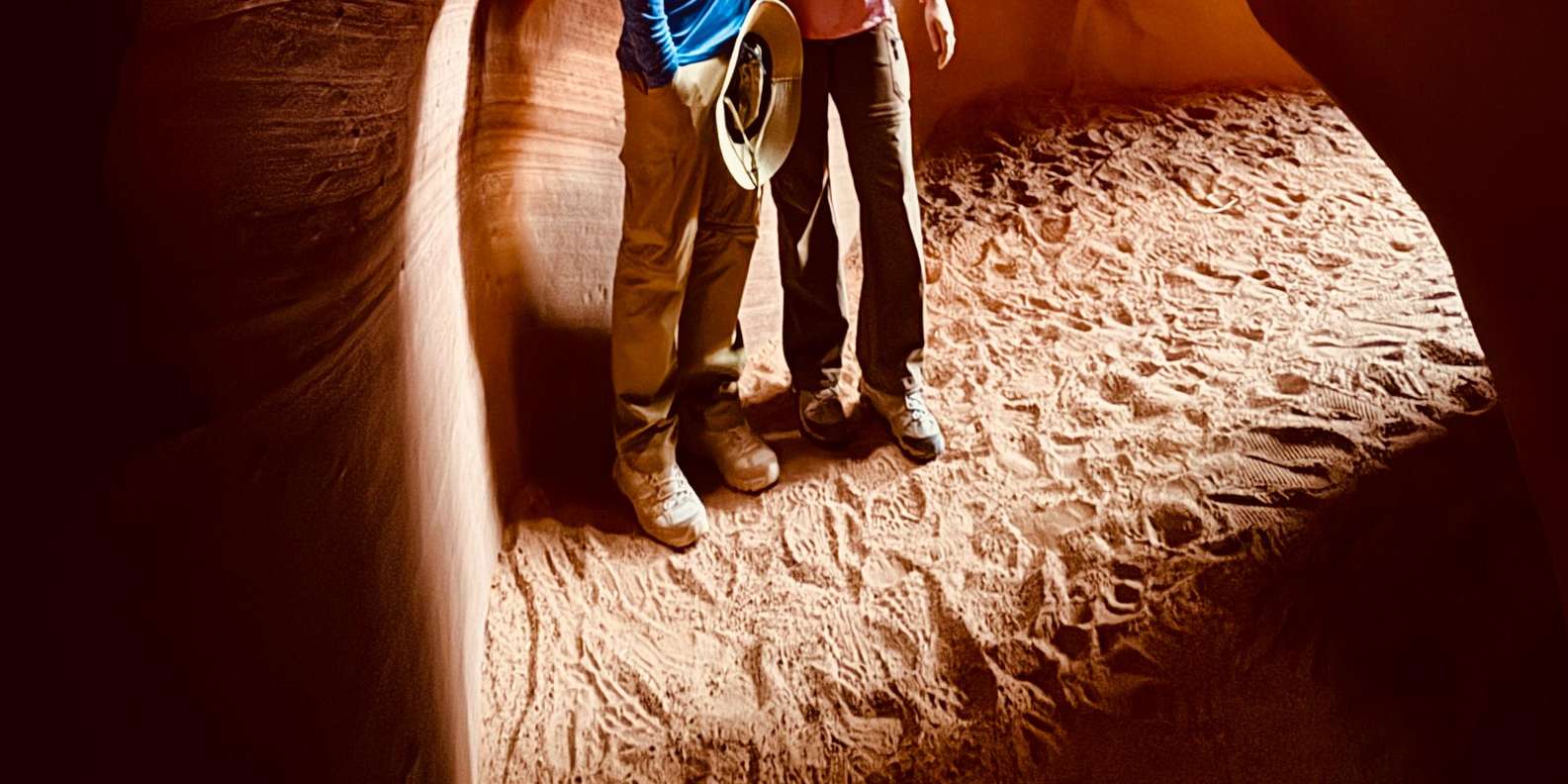
A typical Upper Antelope Canyon tour runs about 1 to 1.5 hours inside the canyon, with up to two hours total once you count the short open-air 4x4 shuttle ride out to the canyon mouth and back. The walk itself is gentle and flat, suitable for most ages, though the sand is soft underfoot and the corridor can get tight and busy.
A few practical notes worth knowing in advance: tripods and monopods are not permitted on standard sightseeing tours, and the dedicated photographer tours that some operators once offered have been discontinued — so plan to shoot handheld. Dust is constant; protect your lens and your phone. And because the route doubles back on itself, you’ll be sharing the corridor with other groups, especially at peak beam times.
The gateway town is Page, Arizona, a small high-desert town built around Glen Canyon Dam and Lake Powell. From Page it’s only a short drive to the canyon entrances, and Horseshoe Bend — the dramatic Colorado River meander — is roughly 10–15 minutes south, which is why so many tours pair the two.
If you’re coming from farther afield, Upper Antelope works well as a long day trip or overnight: it’s about a 2.5–3 hour drive from the Grand Canyon’s South Rim, and roughly 4.5–5 hours from Las Vegas. Several tours on this page leave directly from Las Vegas and fold in Horseshoe Bend and lunch, which is the most efficient way to see the canyon without renting a car.
You are a guest on Navajo land and at a place of cultural significance. The etiquette is straightforward: stay with your guide, follow their instructions, don’t touch or carve the sandstone, take your litter out, and ask before photographing people. Buying a guided, permitted tour isn’t just the only legal way in — it’s also how visitor revenue supports the Navajo community whose land this is. Treat the corridor the way its name suggests: as a place shaped by, and belonging to, something much older than the visit.
When you’re ready to pick a date and a time slot, check availability — your entry ticket, Navajo permit, and authorized guide are all included.
Guest Reviews
"JR was an excellent tour guide and photographer! He did a great job explaining the history of the canyon and keeping our tour fun."
"The guide we had was fantistic. We were so fortunate to have Authur who is great with photography skill and personable."
"One of the most beautiful places I have ever been. We were the first people in that morning and it was magical. Our guide, Keala, was lovely and friendly and answered all our questions, in addition to being so patient with our five year old."
"Excellent guide, Leander took time to take pictures with all in our group at various locations and point out unique spots. The ride was rough because of the sand and was understandable and we were advised to buckle up and it was going to be rough. Vans were nice and air conditioned."
"Our guide Nathanial was amazing he provided amazing knowledge of the canyon and the culture of the Navajo people. Amazing views"
Read all 2614 verified reviews
See All ReviewsJoin 2,600+ guests on a Navajo-guided walk through Tsé bighánílíní. Every tour includes your Upper Antelope Canyon entry ticket, the Navajo Parks & Recreation permit, and an authorized Navajo guide — with free cancellation up to 24 hours before. Starting from $95 per person.
Check Availability & BookCan't Make These Dates?
Find a tour that fits your schedule — all with instant confirmation and free cancellation.
Everything you need to know before booking a Navajo-guided tour of Tsé bighánílíní.
Yes. Upper Antelope Canyon is on Navajo Nation land and, by tribal law, can only be entered on a guided tour with an authorized Navajo guide and a Navajo Parks & Recreation permit. There is no self-guided option and no way to enter on your own. A booked tour includes the entry ticket, the permit, and the guide in one price.
Standard Upper Antelope Canyon tours from Page, Arizona start around $95 per person, which typically includes the entry ticket, the Navajo Parks permit, and your guide. Prime-time light-beam slots, Upper + Lower combos, and day trips from Las Vegas cost more. Compare the options on this page to find the right fit.
The famous light beams appear roughly from late March through early October, are strongest in June, July, and August, and are most likely around the middle of the day — generally between about 11 a.m. and 1 p.m., when the sun is high enough to reach the canyon floor. Beams need clear sky and the right sun angle, so they are never fully guaranteed. See our guide to the best time to see the Antelope Canyon light beams for the exact season, daily window, and which slots to book.
For dramatic light beams, book a late-morning slot in summer — but expect the biggest crowds and highest prices then. For a quieter, cheaper visit with softer glowing light and no beams, the shoulder seasons of spring and fall, or an early-morning or late-afternoon slot, are excellent. Our best-time-to-visit guide breaks down each season month by month.
Upper Antelope has a flat, sandy floor with no stairs, forms the classic light beams, and is more crowded and usually pricier. Lower Antelope is narrower, requires descending steep stairs and ladders, flows one way, and is often a little cheaper. They are separate canyons with separate entrances run by different Navajo-authorized operators. Our Upper vs Lower Antelope Canyon comparison walks through which to choose by light, effort, crowds, and price.
Plan on about 1 to 1.5 hours inside the canyon, and up to roughly 2 hours total once you include the short open-air 4x4 shuttle ride to the canyon entrance and back. The walk itself is gentle and flat.
For most visitors, yes — it's one of the most striking slot canyons in the world, the walk is easy, and the sculpted, glowing sandstone is unforgettable. Just go in knowing it's a guided, ticketed experience that can be busy at peak times, and you'll get the most out of it.
Cameras and phones are welcome, but tripods and monopods are not permitted on standard sightseeing tours, and the dedicated photography tours some operators once offered have been discontinued. Plan to shoot handheld, and protect your gear from the fine, constant dust. See our Antelope Canyon photography rules guide for the full list of what's allowed and tips for great handheld shots.
The gateway town is Page, Arizona, a short drive from the canyon entrances. From the Grand Canyon's South Rim it's about a 2.5–3 hour drive, and from Las Vegas roughly 4.5–5 hours. Several tours leave directly from Las Vegas and include Horseshoe Bend and lunch if you'd rather not drive yourself. Our guide on how to get to Antelope Canyon covers every route, drive times, and the Las Vegas day-trip option.
Yes. Horseshoe Bend — the dramatic Colorado River meander — is only about 10–15 minutes south of Page, which is why many tours combine Upper Antelope Canyon and Horseshoe Bend in a single outing.
Wear closed-toe shoes you don't mind getting sandy and dress for the season — the high desert is hot in summer and cold in winter. Bring water, sun protection, and your phone or camera. Leave large bags, tripods, and selfie sticks behind, as they aren't allowed inside.
A reputable Upper Antelope Canyon tour bundles your canyon entry ticket, the Navajo Parks & Recreation permit, the open-air shuttle to the canyon, and your authorized Navajo guide into one booking. Tours on this page also offer free cancellation up to 24 hours before your start time.
Still have questions? Email us at info@upperantelopetourtickets.com